History
From Dream to Skyline
In the heart of Cincinnati, at the crossroads of Fourth Avenue, Vine Street, and Baker Street, a grand vision took shape in 1912. The Union Central Life Insurance Company, led by its ambitious president, Jesse R. Clark, set out to create more than just a headquarters; they sought to redefine the city's skyline with a building that would become a symbol of progress and innovation. By the end of 1913, their dream stood tall in the form of the Union Central Building a masterpiece of architecture and engineering.
.jpg)
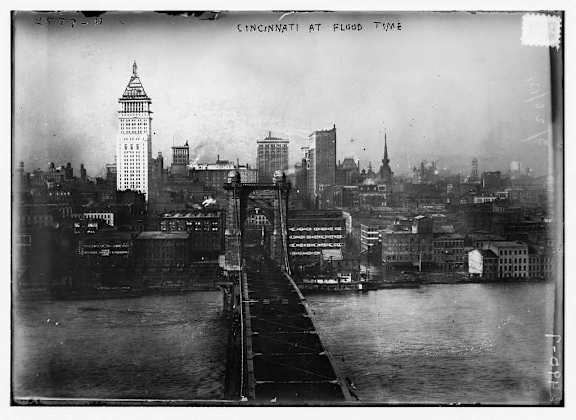
The site chosen for the tower was steeped in history, previously occupied by the U.S. Post Office and Customs House, and later by the Chamber of Commerce Building. This location, already central to Cincinnati's commercial and civic life, became the foundation for a skyscraper that would make history. The Union Central Tower was originally built as the headquarters for The Union Central Life Insurance Company, and when it opened on May 1, 1913, it was the second-tallest building (and the tallest office building) outside of New York City, as well as the fifth-tallest building in the world. The final construction costs came to approximately $3 million. Tragically, at least four workers lost their lives during its construction.
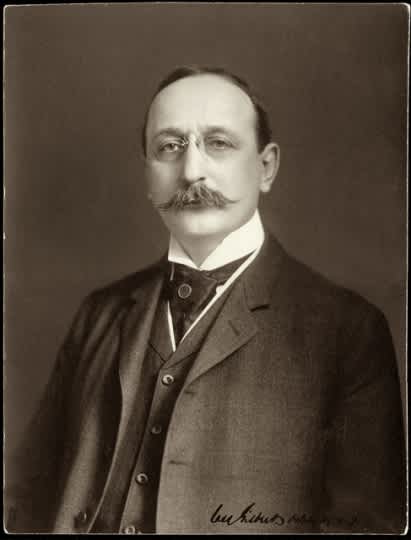
Designed by renowned architect Cass Gilbert and Cincinnati's Garber & Woodward, the building showcased the elegance of the Italian Renaissance while embodying the engineering innovations of its time. Its base, clad in white marble, conveyed permanence and grandeur, while the upper stories of ivory terra cotta reflected sunlight, making the structure a beacon in the cityscape. Rising 495 feet into the air, the tower culminated in a pyramidal roof adorned with colorful terra cotta panels and crowned with a lantern visible for miles. It was not only the tallest building in Cincinnati until the completion of the Carew Tower in 1930, but also a symbol of the cities growth and ambition.
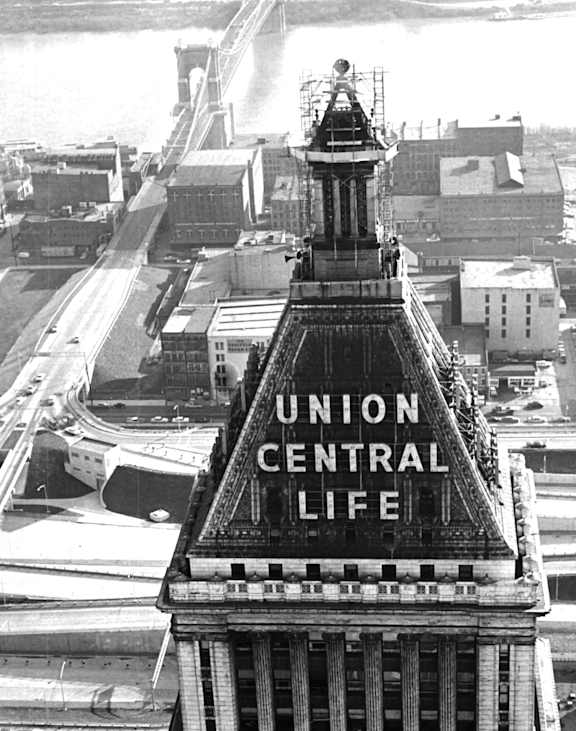
The Union Central Building was more than a beautiful structure; it was a marvel of engineering and planning. Its robust steel framework ensured extraordinary durability, while the corridors, lined with marble wainscoting, combined functionality with elegance. Twelve high-speed electric traction elevators efficiently transported tenants through the 34 floors, which included shops, businesses, and the Chamber of Commerce's bustling offices. The Union Central Life Insurance Company occupied multiple floors, including a fifteenth-floor suite for executive offices.
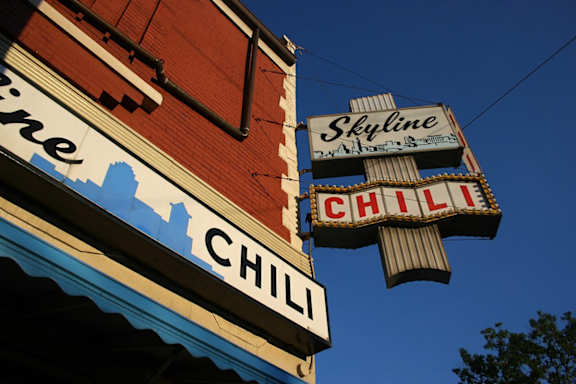
Beyond its physical presence, the building also captured cultural moments that solidified its iconic status. It made an appearance in the Skyline Chili logo in 1949, further embedding it in Cincinnati's identity. From 1967 to 1980, it was prominently featured in the opening and closing credits of the daytime drama The Edge of Night, as Cincinnati stood in for the fictional town of Monticello. Additionally, the tower appeared in the opening and closing sequences of the beloved sitcom WKRP in Cincinnati, cementing its place in popular culture and the hearts of residents.
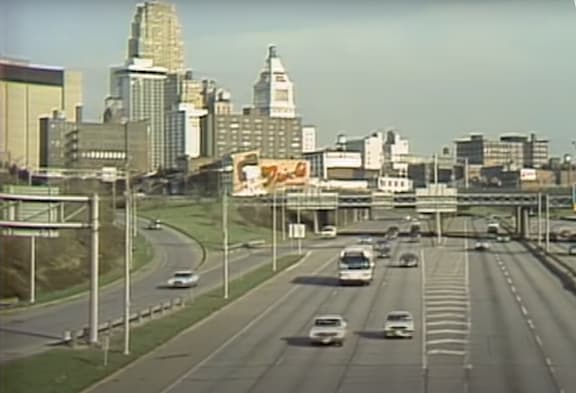
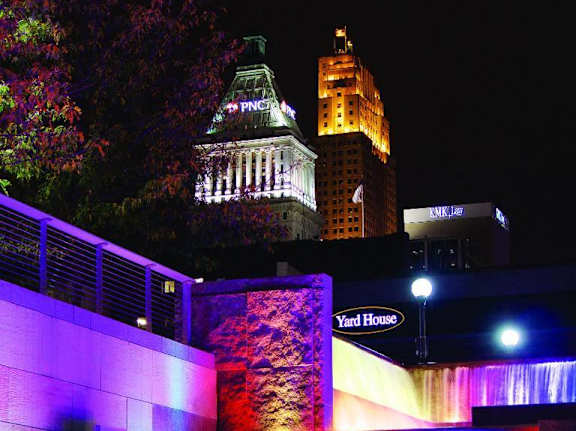
The Union Central Life Insurance Company moved out in 1964, and in 1993, the building was renamed the PNC Building. Today, the structure remains a vital part of Cincinnati's skyline and has been reimagined for a new era. In March 2021, it was announced that the building would undergo a transformation to house 250 apartments, office spaces, and a 'city within a city' concept, spearheaded by City Club Apartments. Construction is currently underway, breathing new life into this historic skyscraper.
Over a century later, the building now known as the PNC Building remains an enduring icon, a reminder of an era when architecture and engineering came together to reach for the sky. Its story continues to inspire, standing tall as a legacy of innovation, resilience, and timeless beauty. As it evolves into Sky Central, blending its historic charm with modern living, it carries forward its legacy as a symbol of Cincinnati's dynamic spirit.